



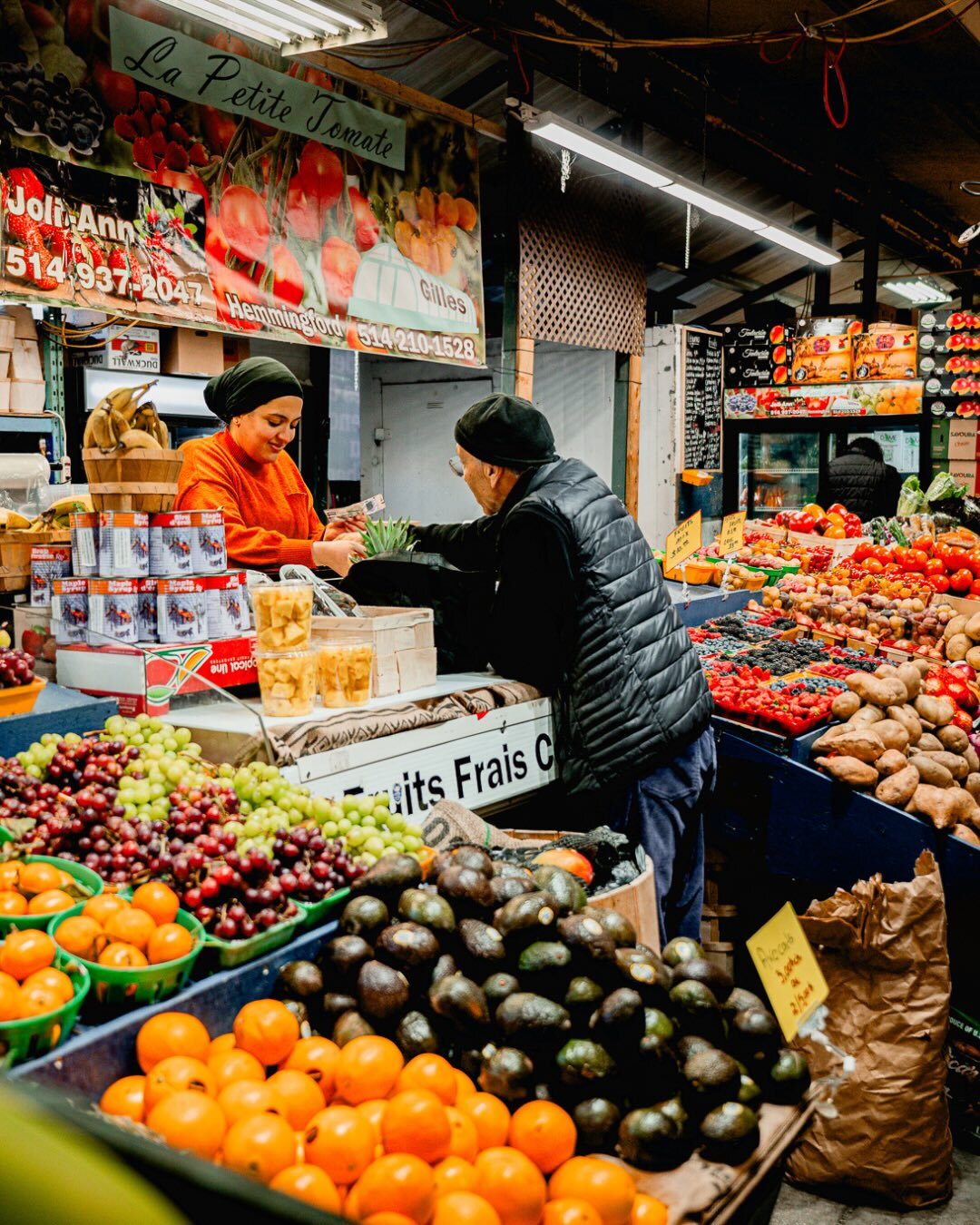
For travellers who eat their way through a city, public markets are the ultimate starting point. More than just a place to shop, they offer an unfiltered look at local food culture: seasonal produce piled high, artisan vendors, and the kind of neighbourhood energy you won't find in any restaurant. In Montreal, the network of public markets serves a bigger purpose too: connecting city dwellers directly with local producers, market gardeners, and agri-food artisans, and improving access to fresh, quality food across the island. It's a model that works since more than three out of four Montrealers visit the Montreal Public Markets. Below is a little history and some fun facts about the city's major markets.
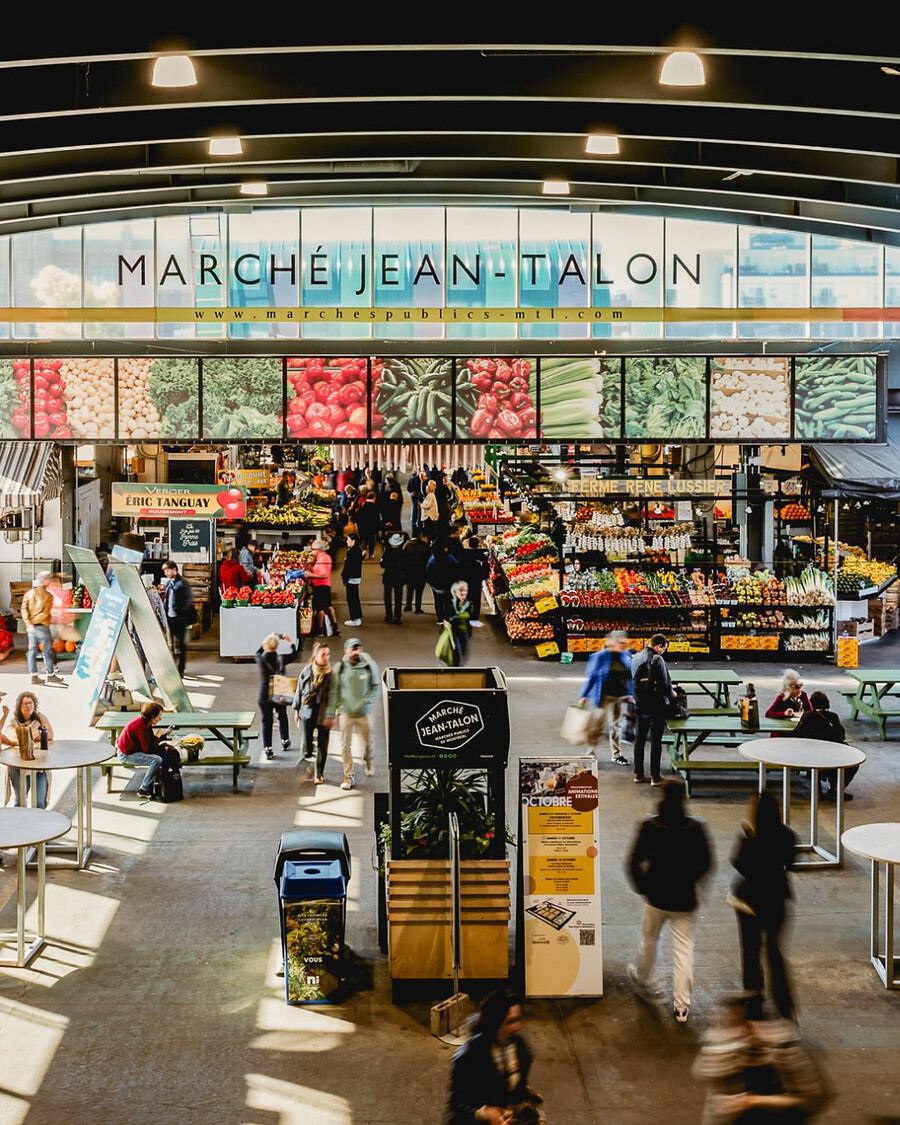
Few markets in North America can match Jean-Talon for sheer scale and atmosphere. Established in 1933 on a former lacrosse field in the city's north end, it originally operated under the name Marché du Nord. Intended as a meeting point between farmers and city dwellers, the market drew immigrant communities who came on weekends to shop for live poultry and meat.
Today, the market sits at the heart of Little Italy and runs year-round. Considered to be one of the largest markets in North America, it takes up two city blocks and hosts hundreds of local fruit and vegetables at peak season between May and November. Beyond produce, the market is home among other businesses to flower stalls, spice shops, butchers, fromageries, fishmongers, boulangeries, an SAQ, cafés, an Italian specialty grocer, and an ice cream parlour. It also has an alley dedicated to street food and ready-to-eat meals from around the world, from tacos to takoyaki. It's the kind of place where a quick errand turns into two hours.
What makes Jean-Talon Market more than just a shopping destination is the cast of people you'll find there on any given morning. Tourists and locals shop side by side, and Montreal chefs are a regular presence: stopping to talk shop with their favourite vendors and sourcing whatever looks best that week. Many of those vendors have been working the same stalls for decades, with families on both sides of the counter passing the relationship down through generations. That continuity is part of what gives the market its charm.
The rhythm of the place changes with the seasons. Spring brings flowers and fresh herbs; summer fills the stalls with vegetables in every colour; fall means pumpkins, apples, and the last of the tomatoes. By December, the outdoor space transforms again, with Christmas trees and wreaths taking over, and the market becomes a destination of a different kind.
Read also:
3-Day Foodie Guide to Montreal: The Best Restaurants to Discover Neighbourhood by Neighbourhood
Also established in 1933, Atwater Market is the most architecturally striking of Montreal's public markets. Its art deco building, anchored by a distinctive clock tower, has made it one of the most photographed market spaces in the country. Located just south of the downtown core along the Lachine Canal, it draws as many cyclists and strollers as it does serious shoppers and food lovers.
The interior houses a strong lineup of butchers, fishmongers, bakeries, and specialty food shops, while the outdoor stalls carry fresh seasonal produce, cut flowers, and local specialties that rotate with the calendar. In summer, the canal bike path brings a steady crowd looking for a lunch stop or an afternoon snack. The Atwater Market Pôle des saveurs has a well-earned reputation for serving up great food fast in a lively atmosphere. Popular and sought after restaurants such as Satay Brothers and Falafel Yoni set up a stall there in the summer.
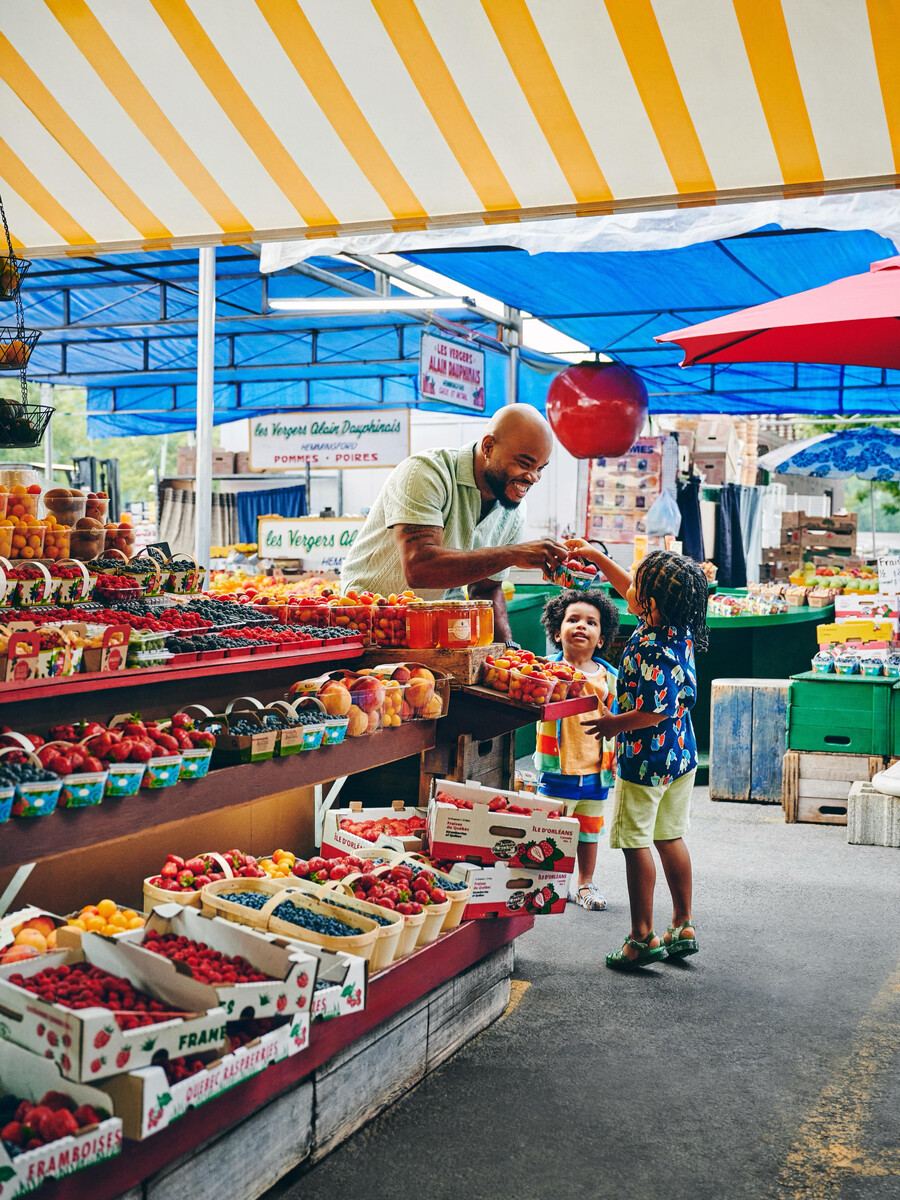
The smallest of the three main public markets, Marché Maisonneuve has a resilient history. It first opened around 1910 in a Beaux-Arts building in the Hochelaga-Maisonneuve neighbourhood on the city's east side, serving a working-class community of farmers, butchers, and fishmongers. It closed in the 1960s, only to be revived in the 1980s after sustained pressure from local residents, a testament to how much the community valued it.
Since 1995, the market has operated out of a modern building in the same neighbourhood. Smaller in footprint than Jean-Talon or Atwater, it covers the essentials well: fruits, vegetables, meats, cheeses, fish, baked goods, flowers, and Quebec-specific products. It has a loyal, local clientele and a quieter pace that makes it worth the detour.
Beyond the Big Three
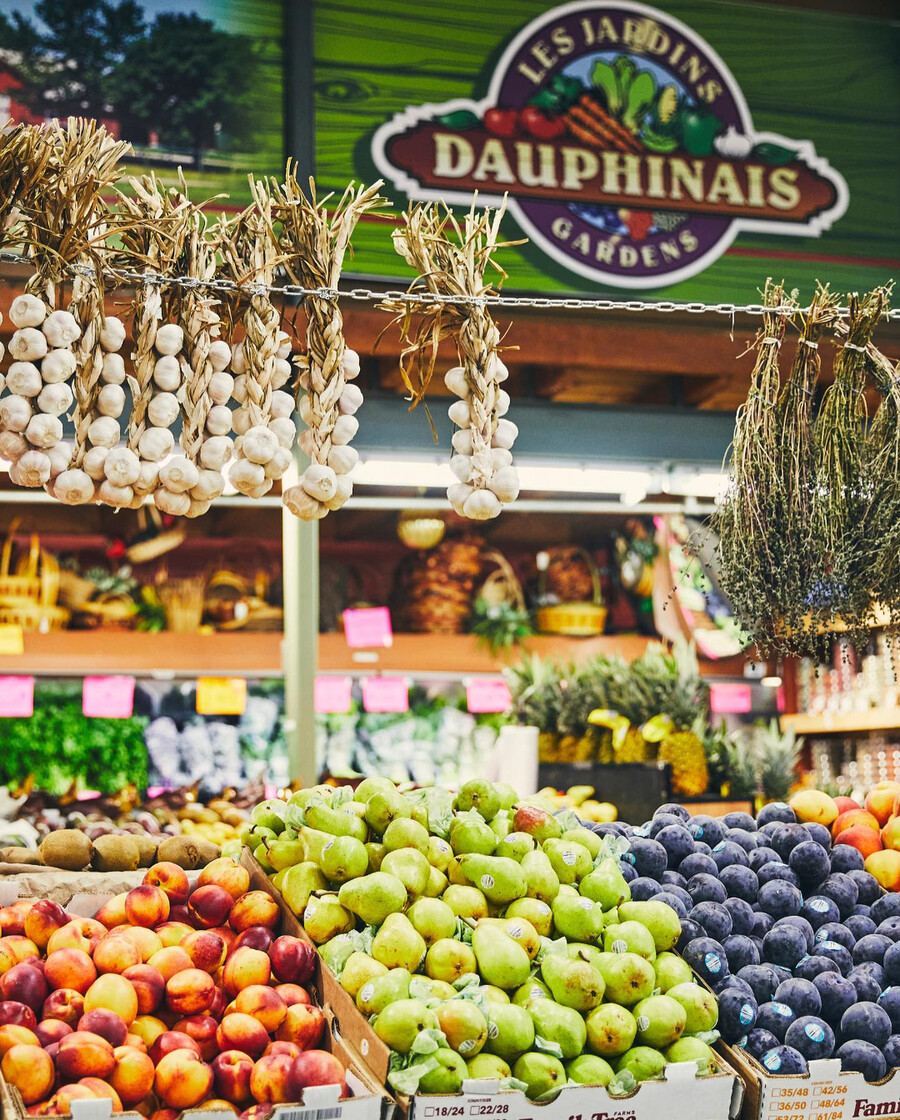
Montreal's public markets are also a half a dozen seasonal neighbourhood markets as well as a solidarity market spread across the city. Together, they form something larger than the sum of their parts: a short-circuit food system that keeps Montrealers close to the people who grow and make their food, year-round. Whether you're a first-time visitor or a lifelong local, they're always worth a morning.